

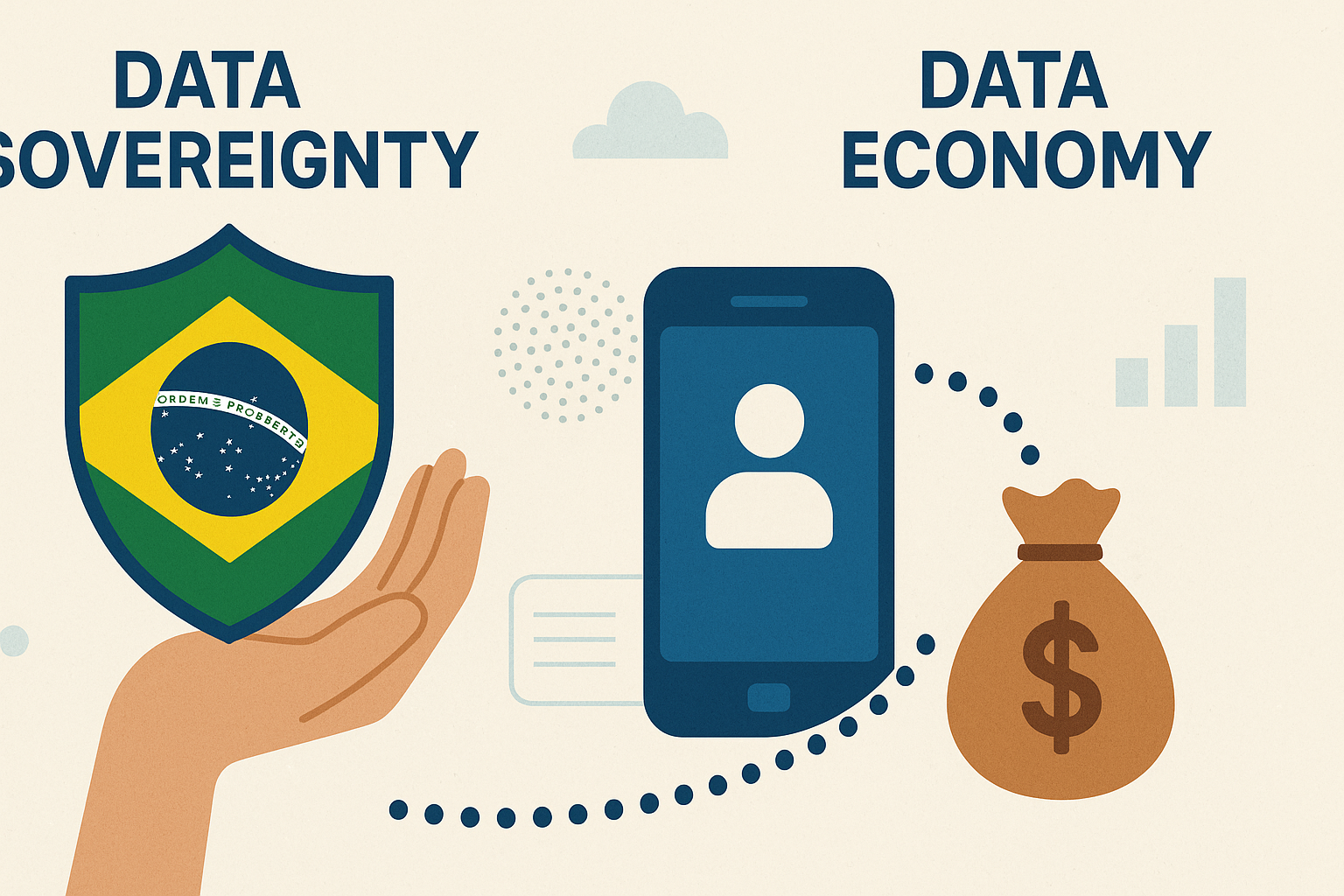
Brazil is making history with its launch of dWallet—a groundbreaking digital data wallet pilot that marks a new front in data sovereignty. For the first time, citizens can not only control their personal data but also earn from it. A step beyond privacy, this is data as property—and a source of real value.
Data Sovereignty Evolved
Administered by Dataprev in collaboration with DrumWave, Brazilians can now store data generated through everyday digital interactions in their dWallets. When companies bid to access this information, users receive direct payouts—cashable into bank accounts on the spot.
Monetization in Action
The pilot, which centers on payroll loan data, pays citizens for sharing information typically captured behind the scenes. It puts Brazil ahead of initiatives like California’s stalled “data dividend” and positions it as a global leader in turning digital footprints into financial assets. Early projections suggest users could earn around US $50/month via this scalable, public–private model.
Regulatory Shift Opening Doors
This aligns with a broader legal push—draft bills classifying personal data as individual property, empowering users to benefit from data markets, and redefining what ownership means in the digital economy.
Why it matters:
• Empowers individuals, especially those excluded from traditional economic systems, by recognizing data ownership as a legitimate asset.
• Redefines the data economy, shifting it from corporate profits to shared value for citizens.
• Sets a global precedent, offering a blueprint for equitable, privacy-respecting data models.
Brazil’s dWallet pilot isn’t just an innovation—it’s a call to reimagine who benefits from data. As businesses and governments worldwide chart their data strategies, Brazil’s approach offers a compelling blend of regulation, sovereignty, and economic inclusion.
Could this inspire similar frameworks in other countries? What hurdles—technical, legal, ethical—do you see ahead?
Source: https://lnkd.in/e8Zsq6SW