

Part 5/6: [S8fe.ai’s Manifesto]
If the digital economy is the new trade economy, then cross-border
data flows are its shipping lanes—and those lanes urgently need
modern customs checkpoints.
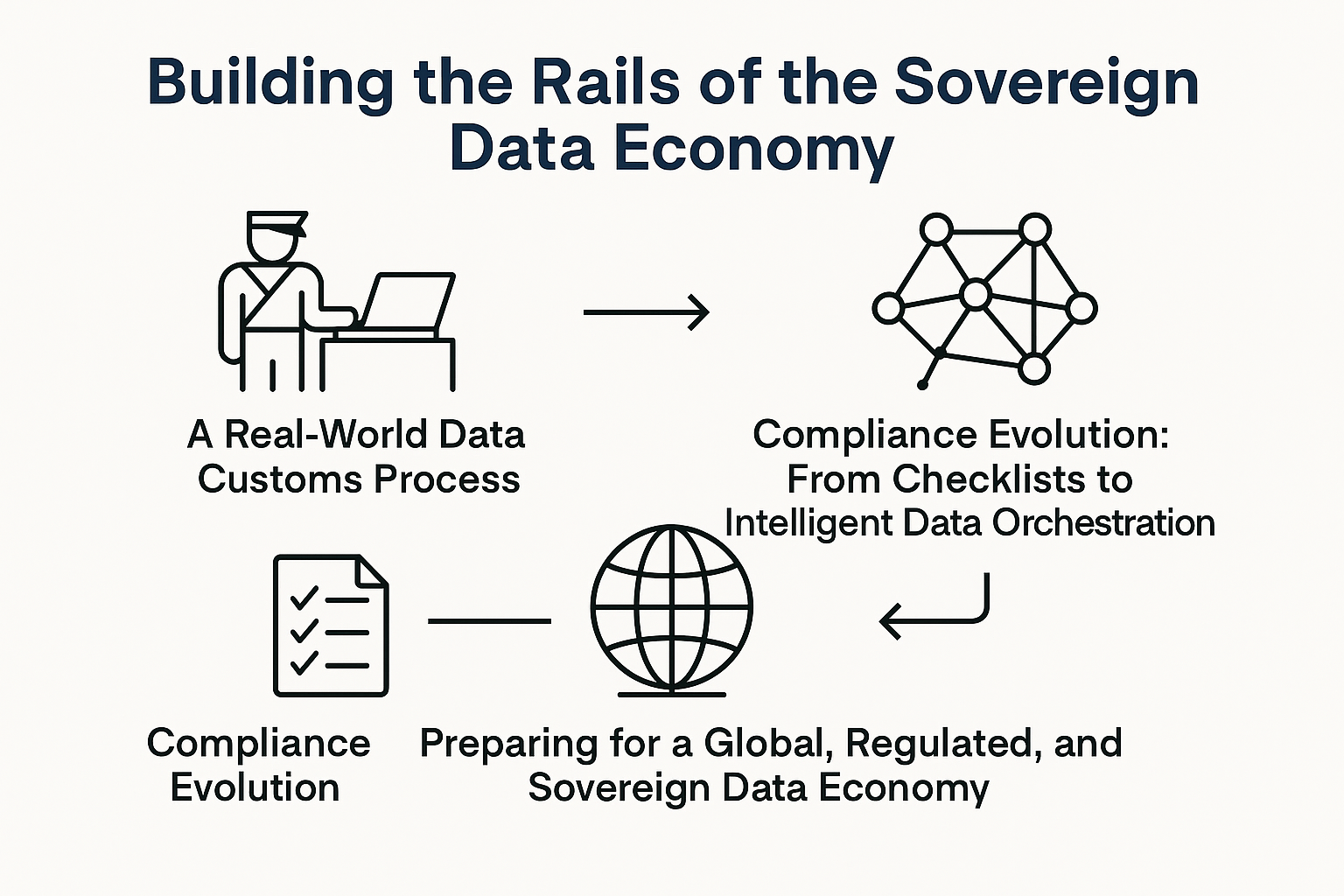
Today, most data leaves a country without documentation, taxation, or even awareness—a loophole that would be unthinkable for physical goods. But that era is ending. Governments are introducing digital sovereignty laws, data transfer restrictions, and bilateral frameworks. The idea of “data customs”—a structured protocol to manage, audit, and eventually tax data exports—is the next step.
This will transform how organizations manage their data flows. Compliance will shift from static checklists to dynamic, intelligent orchestration, using AI-driven classification, risk-scoring, real-time alerts, and verified export declarations. We are moving from compliance as paperwork to compliance as a system of engagement.
Four Early Signals of the Coming Change
1. Supply Chain Visibility (Vietnam → Germany):
A global logistics firm transmitting supply chain telemetry from Southeast Asia to Europe will soon need to classify each data flow: commercial, personal, or critical. Regulators on both sides may require proof of lawful processing and dual-jurisdiction consent to ensure sovereignty standards are met.
2. Fintech Infrastructure (Kenya → Ireland):
A digital wallet service hosted on EU-based infrastructure may need to comply with upcoming African Union data frameworks requiring automatic documentation of cross-border flows, local storage guarantees, and audit-friendly metadata trails.
3. Healthcare AI (UAE → US):
An AI startup training medical diagnostics models using anonymized patient scans from Dubai hospitals must navigate both HIPAA in the U.S. and evolving UAE data protection laws, ensuring real-time risk tagging and anonymization logs for every image exported.
4. Automotive Telemetry (Germany → China):
A connected vehicle manufacturer exporting driving behavior data to Chinese cloud servers for training purposes will soon be required to justify its data exports under China’s new standard contractual clauses—tracking not only what is sent, but also when, where, and why.
What does it mean for your business?
It means:
• Digital Tariffs on cross-border data flows, ensuring fair economic participation.
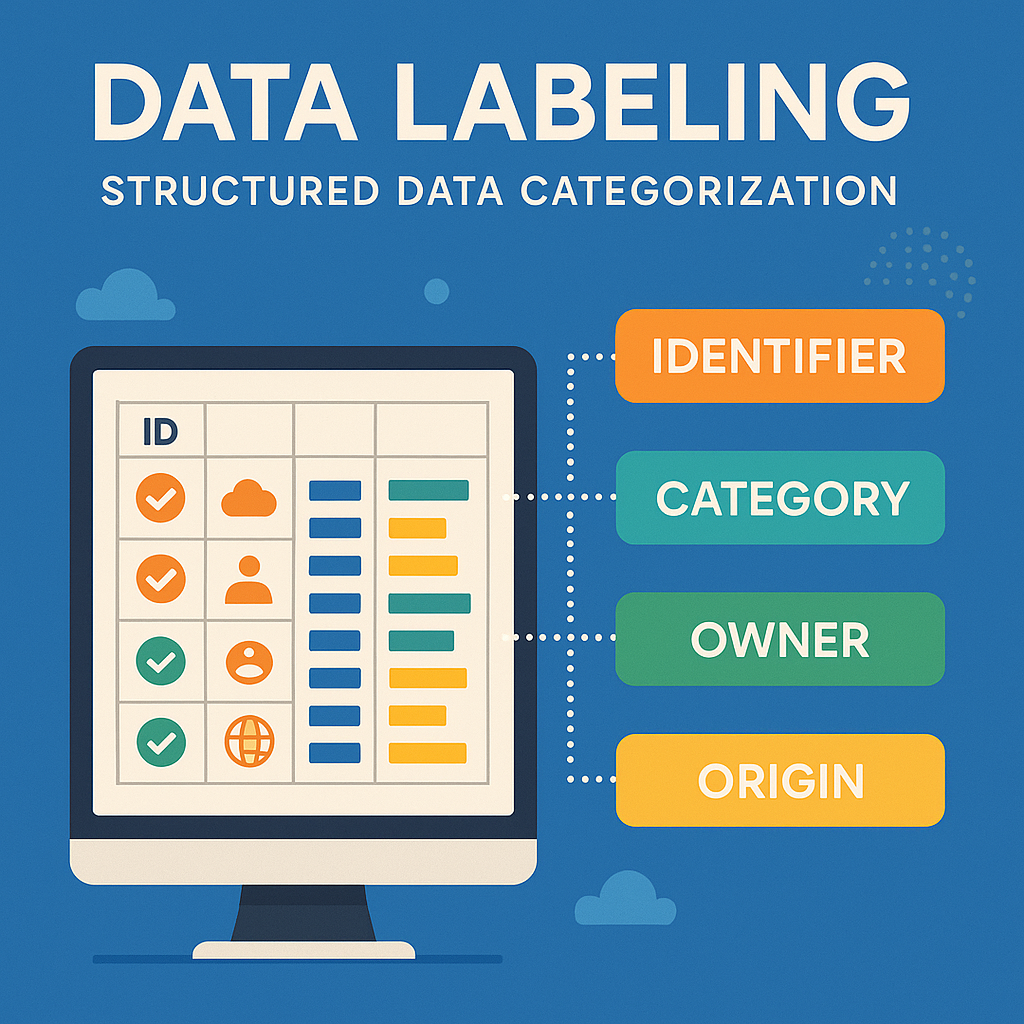
• Transparent data labeling, making data origin, type, and purpose clear.
• Compliance as a strategic advantage, not a box-ticking exercise.
• A shift from corporate data monopolies to civic-driven data ecosystems.
This is not a technical problem. It’s a governance problem. The rules are being written right now — either by proactive governments, forwardthinking companies, or by default, through inaction.
How S8fe.ai Prepares You for The Future
We believe structured, labeled data governance is the next frontier of digital sovereignty.
At S8fe.ai, we’re building the infrastructure for data customs and sovereignty-by-design. Our platform generates real-time data compliance status reports, maps jurisdictional risks, and helps companies track, label, and audit outbound data flows before they become liabilities.
Want to see what your data exports really look like?
Request a demo today and discover how S8fe.ai can help you navigate the global data economy with confidence.