

In the 20th century, national power was measured in barrels of oil and military might.
In the 21st, it’s being rewritten in lines of code and terabytes of data.
But we’re not ready.
Data Is Not Just the New Oil — It’s the New Steel, the New Grain, the New Gold
We now live in a world where data increasingly drives decisions at every level of society:
• A nation’s health data (e.g. COVID dashboards) determines its ability to respond to pandemics.
• Agricultural data from satellites predicts droughts and secures food supply chains.
• Personal data fuels AI models that train overseas, often without local consent.
• Transport and energy infrastructure data powers smart grid optimization and predictive maintenance.
Yet despite its centrality, data still flows largely invisibly across borders —unaccounted for, untaxed, and untracked.
That era is coming to an end.
The Rise of Digital Trade Controls
Countries are waking up to the idea that data transfers are more than technical protocols — they’re acts of economic trade.
As a result, we’re seeing the rise of digital tariffs and cross-border controls, akin to customs duties for information:
• China requires security reviews for all outbound data transfers under its Personal Information Protection Law.
• India’s Digital Personal Data Protection Act imposes restrictions on sensitive personal data leaving the country.
• The EU’s Data Act demands fairness, transparency, and access controls — especially in B2B and industrial data sharing.
• The U.S. is weighing controls on AI-related training data exports to strategic competitors.
We’re entering a world where data customs declarations will be as common as trade compliance forms.
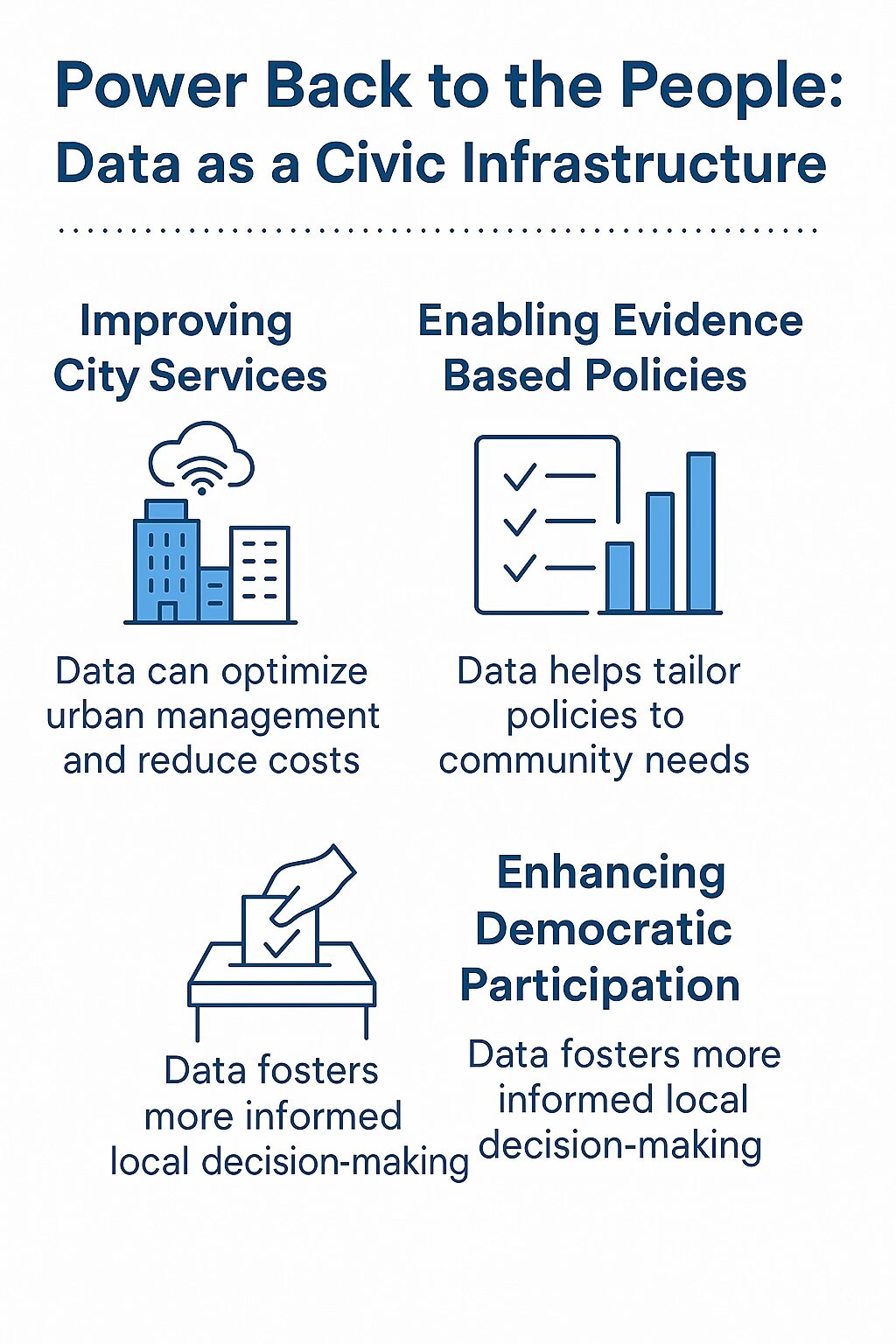
Power Back to the People: Data as a Civic Infrastructure
But data controls aren’t just about protecting national interests.
They can also empower people.
Take Dubai, for example:
• The Smart Dubai initiative has centralized over 2,000 services, allowing citizens to manage everything from healthcare appointments to utility bills in a unified ecosystem.
• The Dubai Data Law mandates government and selected private sector data be shared securely and openly, creating data marketplaces that fuel innovation and business transparency.
• Through its National AI Strategy, the UAE is creating frameworks for citizen-centric governance — using data to support direct participation in city design, transportation planning, and education policy.
Just like in ancient Athens, where shared discourse in the agora enabled direct democracy, transparent and decentralized data flows are laying the foundation for 21st-century digital citizenship.
How S8fe.ai Fits In
At S8fe.ai, we don’t move your data or monetize it.
We make it visible, classified, and compliant.
Our platform allows organizations to:
• Identify what kinds of data are being transferred across borders
• Label and assess risk based on geography, sensitivity, or legal exposure
• Generate compliance reports that demonstrate alignment with evolving international frameworks — from the GDPR to China’s PIPL
Data is now a trade asset.
We help businesses treat it accordingly.
What Comes Next
In the next post of our manifesto, we’ll explore:
• What a real-world data customs process could look like
• How compliance will evolve from checklists to intelligent data orchestration
• And why organizations must prepare today to operate in a global, regulated, and sovereign data economy